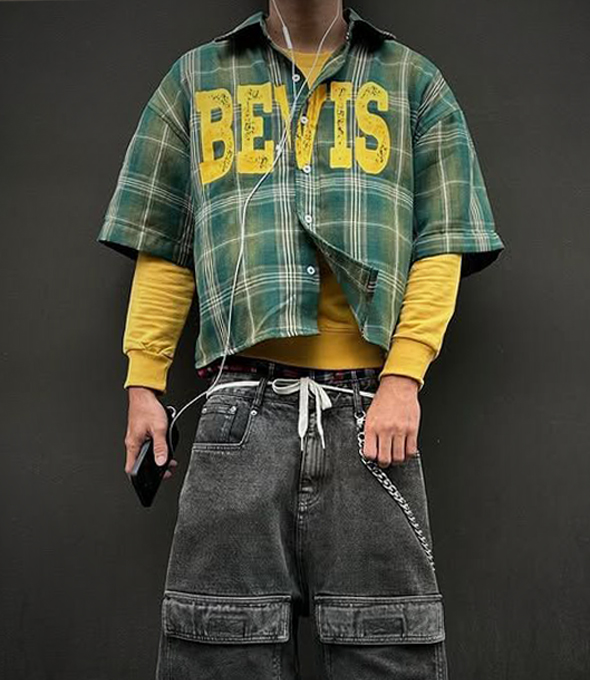
How Should Streetwear Brands Compare Screen, DTG, DTF, and Sublimation?
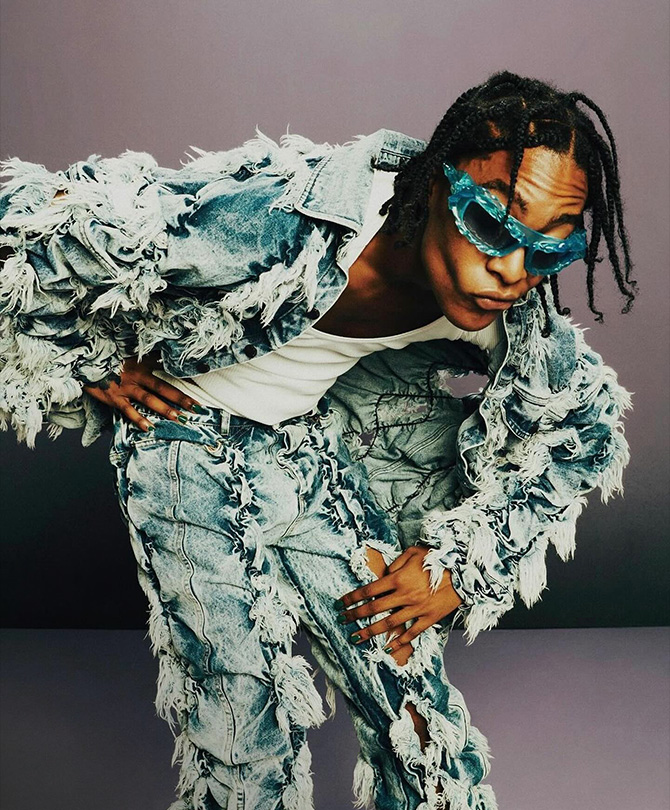
Are Australian clothing manufacturers suitable for streetwear brands?
A heavyweight hoodie can look clean on the rail and still fall apart as a production decision. The fleece may feel right in the first sample, but after wash testing it loses body. The oversized shoulder may hit perfectly on one size, then collapse across the grading. The graphic may look sharp on a flat panel, then drift once the garment is sewn, washed, pressed, packed, and shipped.
That is where the Australia question gets interesting. Australian clothing manufacturers are not automatically wrong for streetwear. In some cases, they are exactly what a brand needs. But streetwear is not just “apparel with a graphic.” It is fabric weight, silhouette, wash attitude, print placement, trim discipline, shrinkage control, and sample-to-bulk consistency all moving together. The real question is not whether Australia can make clothes. It is whether the right Australian production setup can carry the kind of technical pressure modern streetwear brings.
Why do streetwear brands search for Australian clothing manufacturers in the first place?
Quick Answer: Streetwear brands usually look at Australian clothing manufacturers when they want closer communication, local accountability, faster development feedback, clearer quality visibility, or an Australian-made story. The fit can be strong for certain categories, but brands still need to check whether the factory has enough streetwear-specific experience, not just general apparel production skill.
For Australian labels with real audience traction, the attraction is obvious. Local production can shorten the communication loop. A product team can review fabric hand feel in person, check a pre-production sample without waiting for international shipping, and correct a fit issue before bulk cutting begins. For pieces where the “feel” is hard to describe in a tech pack, being close to the production floor can be powerful.
There is also a broader industry backdrop. The Australian Fashion Council says Australia’s fashion and textile sector contributes more than $28 billion annually, employs almost 500,000 people, and generates $7.2 billion in exports, yet only 3% is manufactured locally.1 That gap explains why Australian-made production has become a serious conversation again, especially as brands rethink supply-chain resilience and product provenance.
But local does not automatically mean streetwear-ready. A factory may be strong in uniforms, womenswear, basics, workwear, or commercial fashion and still struggle with a boxy 420gsm hoodie, garment-dyed tee, rhinestone graphic, distressed denim jacket, or wide-leg pant with a controlled stacked break. Streetwear asks for a different rhythm. The product must look relaxed but be engineered tightly. That contradiction is where many general apparel factories get exposed.
What are Australian manufacturers usually strong at for streetwear brands?
Quick Answer: Australian manufacturers can be strong in communication, development visibility, ethical positioning, shorter feedback cycles, and locally controlled quality checks. They may work well for cut-and-sew pieces, capsule programs, premium basics, uniforms with streetwear influence, and products where local brand identity matters as much as production depth.
The best use of Australian manufacturing is often not about trying to copy every capability of a large overseas streetwear cluster. It is about using proximity as an operating advantage. When a brand is refining a fit, building a fabric story, or testing how a garment sits on the body, local development can save a lot of friction.
Pattern development is a good example. Oversized fit is not just sizing up a regular block. A proper boxy tee needs shoulder slope, sleeve opening, body width, neck rib tension, and hem balance to work together. A baggy pant needs rise, thigh volume, knee shape, inseam twist control, and waistband stability. Local pattern review can help product teams correct these details before the style gets locked.
Australian production can also support brands that need tighter control over final inspection. When the issue is fabric shade, seam tension, print placement, or finishing consistency, seeing garments before dispatch can prevent a bad release from reaching customers. That matters in streetwear because the audience may not know the technical language, but they can instantly feel when a piece is off. A hoodie that looks thin, a washed tee that feels dead, or a pant that stacks badly can damage trust faster than a delayed caption can fix it.
There is also value in the Australian-made story when it is real and not just slapped onto a swing tag. For certain labels, local production can connect with community, craft, and transparent making. But that story only works if the garment itself carries the weight. Streetwear buyers are allergic to empty polish. The product has to hit.
Where can Australian clothing manufacturers struggle with true streetwear production?
Quick Answer: Australian clothing manufacturers may struggle when a style depends on heavyweight fabric availability, advanced wash control, complex print-and-wash combinations, embroidery density, trim sourcing, or repeatable bulk execution across multiple drops. The issue is usually not skill alone, but whether the local supply chain has enough specialist depth around the factory.
Streetwear production often fails outside the sewing line. A factory can stitch a hoodie cleanly but still lack access to the right fleece, rib, drawcord, wash house, print technician, embroidery setup, or finishing process. That is why supply-chain depth matters. The garment is the result of many linked decisions, not one factory capability.
Heavyweight cotton is a common pressure point. A 380gsm to 500gsm fleece changes cutting, sewing, shrinkage, seam bulk, needle choice, rib recovery, and final garment weight. If the fabric sourcing is limited, a brand may accept a substitute that looks close on paper but feels different in hand. Once bulk fabric arrives, the problem becomes expensive to reverse because the silhouette was developed around a different body and drape.
Wash techniques add another layer. Acid wash, stone wash, and enzyme wash all affect surface tone, hand feel, shrinkage, and garment attitude. Brands should care because the wash is not decoration after production; it changes the whole garment. In bulk, the common failures are uneven panels, shade variation between batches, twisted seams, unexpected shrinkage, damaged print surfaces, or a washed effect that looks forced instead of lived-in. Procurement teams should validate this through lab dips, wash trials on the real fabric, garment testing after decoration, and an approved pre-production sample that matches the final production route.
Print and embellishment can be just as demanding. Screen print affects opacity, texture, cracking behavior, and graphic sharpness. DTG affects softness, color range, and how the ink sits on cotton. Embroidery affects weight, puckering, backing choice, and fabric distortion. Appliqué changes edge control and stitch density. Rhinestone work affects placement accuracy, heat adhesion, and durability after wear. For each one, the question is not “Can the factory do it?” The question is whether the result can stay consistent when the style moves from one perfect sample to full production.
How should brands compare Australia with China for technical streetwear categories?
Quick Answer: Australia can be useful for proximity, communication, local storytelling, and certain development needs. China is often stronger when the style needs deep streetwear specialization, heavyweight fabric options, wash houses, print capacity, embroidery resources, trims, and scale-ready coordination. Many mature brands should compare regions by product complexity, not by country reputation alone.
A serious sourcing decision should start with the garment, not the map. If the product is a locally made cut-and-sew tee with a refined fit and controlled production volume, an Australian manufacturer may be a strong option. If the product is a heavy washed hoodie with puff print, embroidery, custom rib, vintage fading, and repeat replenishment pressure, the brand may need a denser technical ecosystem.
This is where China remains relevant for many premium streetwear programs. Regions with concentrated streetwear manufacturing can connect fabric sourcing, pattern engineering, wash development, print testing, embroidery, trims, bulk cutting, sewing, finishing, inspection, packing, and export logistics in one tighter chain. That does not make China the automatic answer for every label. It means technique-intensive streetwear often benefits from a supply base that has repeated the same problems many times before.
For brands comparing local and overseas options, it helps to study how specialist factories describe their capabilities. A streetwear manufacturer resource likea curated look at streetwear-focusedstreetwear manufacturersin Chinais useful not as a shortcut, but as a technical comparison point. Look at the language around heavyweight fabrics, washes, oversized silhouettes, embroidery, and sample-to-bulk control. Those are the capabilities an Australian clothing manufacturer must also be able to discuss with detail if the brand’s product requires them.
The smartest move is not “Australia or China.” It is product mapping. Use Australia where proximity, local identity, and hands-on development create value. Use a specialized overseas streetwear production partner where fabric depth, decoration complexity, wash control, and production scale are more important. Some established brands will use both regions at different stages of the collection.
Streetwear Need
Australian Manufacturer May Fit When
Specialist Overseas Production May Fit When
Fit development
Brand needs in-person sample review and quick pattern feedback
Brand already has a locked block and needs repeatable execution
Heavyweight hoodies
Fabric and machinery are proven for bulk weight, shrinkage, and seam bulk
The style needs deep fleece sourcing, custom rib, wash, and scale control
Washed tees
Wash effects are simple and locally testable
Acid, stone, enzyme, or vintage effects must remain stable across batches
Graphic programs
Placement is simple and decoration is locally controlled
Screen print, DTG, embroidery, appliqué, or rhinestone work must interact cleanly
Brand positioning
Australian-made story is central to the release
Technical product depth matters more than local provenance
What technical checks matter before trusting an Australian factory with streetwear?
Quick Answer: Brands should check tech pack review, pattern capability, fabric sourcing depth, shrinkage testing, decoration testing, pre-production approval, bulk cutting control, sewing tolerance, finishing standards, and final inspection. A factory that cannot explain these steps clearly is risky for streetwear, even if its samples look good.
The first checkpoint is the tech pack review. A strongstreetwear clothing manufacturershould not just receive a tech pack and say yes. It should question fabric weight, seam construction, rib specification, print size, wash route, tolerance, measurement points, label placement, packing method, and the relationship between design intent and production reality. The review stage is where many future failures can be removed before sampling begins.
Next comes pattern development. Oversized, boxy, baggy, and wide-leg silhouettes need real pattern engineering. If a factory treats them as simple size expansion, the garment may look wide but not intentional. The sleeve may flare awkwardly, the shoulder may drop without structure, the pocket may sit too low, or the pant may balloon without shape. Brands should ask for fit comments, graded specs, and sample measurements across more than one size.
Fabric sourcing needs the same discipline. A swatch can look right and still behave wrong. Heavyweight cotton, French Terry, fleece, jersey, and denim each bring different shrinkage and hand-feel risks. French Terry affects loop texture, drape, and internal feel. Denim wash affects shade, abrasion, seam twisting, and surface character. Procurement teams should request fabric composition, weight tolerance, shrinkage data, colorfastness notes, and bulk fabric approval before cutting.
Decoration testing is non-negotiable. A screen print should be tested for opacity, cracking, hand feel, and wash durability. DTG should be checked for color stability and softness after laundering. Embroidery should be checked for puckering, backing, thread density, and placement accuracy. Appliqué should be checked for edge durability. Rhinestone placement should be tested for adhesion and alignment. These are not fancy extras; they are the difference between a clean drop and customer complaints.
Pre-production approval is the final lock before bulk. The approved sample should use the real fabric, real trims, real decoration method, real wash route, and final measurement tolerance. If the factory cannot produce a true pre-production sample, the brand is approving an idea, not a production standard.
Is local production enough if the brand has complex washes, prints, and silhouettes?
Quick Answer: Local production can work for complex streetwear only when the manufacturer has proven access to the right supporting processes. Wash, print, embroidery, pattern, and finishing must be tested together. If those processes are separated without strong coordination, the final garment can lose the exact attitude the brand designed.
Streetwear rarely fails because of one isolated step. It fails because steps interact. A heavy screen print may crack differently after enzyme wash. Embroidery may pucker on a lighter jersey but sit clean on heavyweight cotton. A distressed hem may look authentic on one fabric and messy on another. A boxy hoodie may hold shape before wash and lose balance after shrinkage.
This is why brands should avoid approving techniques one by one without testing the full garment route. If the tee will be washed after printing, test it that way. If the hoodie will use embroidery on heavyweight fleece, sample the embroidery on the real fleece. If the denim will be distressed and washed, test abrasion, shade, seam twist, and measurement change after finishing. The final product is not fabric plus decoration plus wash. It is the combined behavior of all three.
Australian manufacturers can handle this when they have strong process partners and disciplined coordination. The risk appears when the factory outsources key steps but does not manage them tightly. A print house may optimize for graphic sharpness while the wash house changes the garment hand feel. A sewing team may hit measurements before wash but not account for shrinkage. A finishing team may press garments in a way that changes the relaxed shape. The brand then receives bulk that is technically “made” but culturally wrong.
Procurement teams should ask practical questions. Who controls the wash trial? Who approves the print strike-off? Who checks shrinkage after finishing? Who owns the tolerance if the garment changes after decoration? Who signs off the pre-production sample? If the answers are vague, the risk is already visible.
What kind of streetwear brand is most likely to benefit from Australian manufacturing?
Quick Answer: Australian clothing manufacturers are most suitable for market-proven streetwear brands that value local development, hands-on sampling, quality visibility, Australian-made positioning, and controlled product programs. They are less suitable when the collection depends heavily on advanced wash ecosystems, dense trim sourcing, or high-complexity decoration at repeated volume.
The best fit is usually a brand with clear product direction and a team that understands what must be controlled. If the label has already proven demand and wants to refine fit, elevate basics, build a local capsule, or connect production with Australian identity, local manufacturing can be a serious advantage.
Premium tees, cut-and-sew tops, fleece pieces with controlled construction, simple jackets, and locally meaningful capsules can all work well. The key is not whether the garment is “streetwear” in name. The key is whether the production requirements match what the manufacturer can actually control. A clean heavyweight tee with a strong block may be a better local project than a multi-process washed hoodie that needs deep fabric, print, wash, and replenishment coordination.
Brands with merchandising discipline may also benefit. If the product team can provide a detailed tech pack, clear measurement specs, approved trims, target hand feel, decoration references, and tolerance expectations, the factory has a stronger base to execute. Streetwear manufacturing rewards clarity. Vague creative direction creates expensive interpretation problems.
For brands with broad seasonal ranges, mixed categories, frequent drops, or technique-heavy capsules, the decision becomes more strategic. Australia might support development, sampling, content-driven local releases, or special capsules, while a specialist streetwear manufacturing partner supports heavier technical programs. That hybrid approach is often more realistic than forcing one region to do everything.
Are Australian clothing manufacturers suitable for streetwear brands?
Quick Answer: Yes, Australian clothing manufacturers can be suitable for streetwear brands, but only when the product brief matches their real capabilities. They are strongest for local development, controlled cut-and-sew production, quality visibility, and Australian-made positioning. For heavyweight, wash-heavy, graphic-heavy, or scale-sensitive streetwear, brands must verify specialist capability before committing.
The answer is not a clean yes or no. It is a capability match. Australian clothing manufacturers can serve streetwear brands well when the brand needs closeness, communication, transparency, and local production credibility. They can be especially valuable when the product team wants to stay close to pattern development, sample correction, and final quality review.
But streetwear has its own production language. Heavyweight fabric must hold shape. Acid wash must stay controlled. Screen print must survive the garment route. DTG must keep color and softness. Embroidery must avoid distortion. Appliqué must stay clean. Rhinestone work must align and hold. Oversized fit must feel intentional, not simply enlarged. Denim wash must create character without losing construction. Every one of these details affects how the customer reads the garment.
The best procurement question is simple: can this manufacturer explain how it will control the product from tech pack review to final inspection? If the answer includes pattern development, fabric sourcing, sample testing, wash and decoration trials, pre-production approval, bulk cutting, sewing tolerance, finishing, inspection, packing, and shipping, the conversation is worth continuing. If the answer stays at “we can make apparel,” the brand should slow down.
Streetwear is not forgiving. The audience notices shape, weight, fade, texture, graphic placement, and finish before they ever read the product description. Australian clothing manufacturers can be part of that world, but they have to be evaluated like streetwear manufacturers, not just local factories. The right partner will understand that a drop is not only a production order. It is a brand moment, and the garment has to carry it.