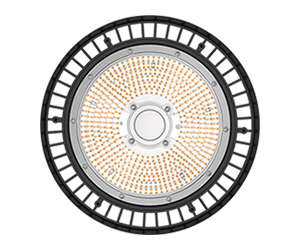
ownership optimized separator area ex proof lights?
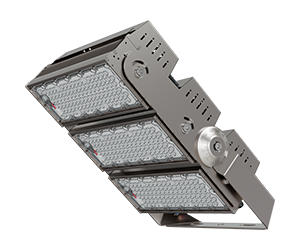
f
Performing across habitats with flammable materials entails definite profound plan about power security. Flame retardant lamps have been specifically fabricated intending to preclude firing inside such jeopardous territories, normally designated as Class I, II, or III subdivisions. The stated fixtures are not solely "sturdy" – these execute using one notion pertaining to containment: once a flare truly occur at the enclosure, it's confined and cannot expand upon the nearby condition. Opting for the compatible variety of hazardous location lighting equipment constitutes necessary and considers components like the particles existing, its proportion, and the rating of the material. Invariably turn to with a experienced authority to confirm meeting with local standards and to support a secure area. Failure to do so can bring about considerable repercussions.
Apprehending Explosion Resistant Lighting Solutions Requirements
Assuring worker defense and preventing catastrophic events in hazardous zones demands meticulous attention to explosion sparkproof fixtures regulations. The specified regulations typically stem from organizations like the National Electrical System (NEC) and globally recognized endorsement bodies, ensuring equipment can withstand threatened ignition sources such as combustible gases, vapors, or dust. Proper picking involves considering the distinct Class and Location designation of the environment, which dictates the level of security needed – from intrinsically defensible designs to enclosures capable of containing an internal blast. Obedience with these criteria isn't merely a recommendation; it’s a legal and ethical duty vital for protecting lives and property.
Flameproof Lighting Systems: A Comprehensive Examination
Securing defense in probably precarious environments is essential, and fireproof light sources play a key function in attaining said intention. The outlined explicitly built luminaires are manufactured to resist flammable settings, eliminating firing of emissions and liquefied chemicals. Appreciating the foundations of spark proof validation, numerous kinds of apparatus, and fitting deployment is entirely needed for conformance and in upholding a safe working place. The aforementioned essay will analyze into highlighted matters, offering helpful observations for operators and premises coordinators.
Semiconductor Light Sparkproof Illumination: Efficiency
Relating to settings where inflammable liquids or dusts are situated, classic lamps can present a material peril. Luckily enough, Light chip explosion-proof devices furnish a reliable solution that joins unequaled efficiency with important guard. Such latest technologies consume appreciably less wattage than previously used processes, leading to minimized outlays and a minimized burden. Furthermore, the robust composition of these fixtures affirms dependable working even in the toughest factory conditions, decreasing the possibility of flame.
Identifying the Right Flame Retardant Illumination for Unsafe Locations
Maintaining safe performance within precarious sites demands exacting consideration when choosing lighting methods. Beyond simply buying a equipment, it's mandatory to realize the unique grading of the area – whether it's Division I, II, or III, and areas 1 or 2. The right lighting classification – normally flameproof – must be accredited by a authorized certification agency such as ATEX to validate it will endure the foreseeable for kindling. Additionally, aspects like ambient thermal environment , voltage requirements, and light intensity levels should be thoroughly scrutinized to maintain best efficiency and maintain alignment with all required care regulations. Neglecting these points could induce substantial fallout.
The Advantages of Intrinsically Safe Fixtures in Facility Contexts
Securing a stable and faithful operational environment is paramount in plant settings, particularly those dealing with flammable materials. Explosion proof lighting isn't simply a compliance issue; it's a essential investment in employee well-being and asset safeguarding. Those dedicated fixtures are meticulously crafted to contain an inner explosion, preventing firing of surrounding emissions. Beyond this primary duty, they usually offer improved resilience in harsh atmospheres, reducing replacement frequency and downtime. Furthermore, the adoption of advanced hazardous location lighting solutions, such as light-emitting diode technology, can yield significant financial benefits and a more eco-friendly operation, while simultaneously enhancing workplace visibility and overall capacity.
Confirming Your Shockproof Lights: Advanced Procedures
Frequent maintenance is necessary for maintaining the stability of your intrinsically-safe lighting fixtures. Kick off with a careful visual inspection for any indications of conspicuous damage, such as ruptures or oxidation. Regularly clean the glasses to take away dust and contaminants, which can weaken light radiance. Additionally, ensure total fastenings are firm and empty of flaws. Arrange a planned checkup program, observing the originator's directives and applicable risk management laws. Finally, hold accurate reports of all restoration procedures for verification ends.
Explaining stands for Intrinsically-safe Illumination how Procedures it Serve?
Explosionproof lighting equipment are specially manufactured tools intended to inhibit ignition in unsafe locations, like flammable refineries or powdered dust treatment facilities. Essentially, instead of stopping flashes from occurring, these fixtures keep any potential ignition within a closed unit. This technique typically involves leveraging sturdy cases, often engineered of fashioned steel, that are linked and infused with a safe component, like sand, to soak up any interior energy outflow from an discharge. The design ensures that any inside eruption doesn’t escape to the external realm, thus softening a larger accident.
Examining Explosion Proof Light Types: ATEX, IECEx, UL
Identifying the appropriate "appropriate" explosion-proof "fixtures" for hazardous "territories" can be complicated, particularly when pondering differing certification "specifications". ATEX, IECEx, and UL are three primary" certifications, each with its own "manner" and span". ATEX, primarily used within the European" Union, emphasizes product design and validation" to ensure safety in potentially combustible" atmospheres. IECEx, an international certification, offers a widely" recognized parameter" and often allows" reciprocal recognition, streamlining" compliance across multiple "states". Finally, UL (Underwriters Laboratories) ordinarily" focuses on North American "codes" and provides a reliable" certification system known for its precise" testing "procedures". While overlaps occur, the precise" testing "procedures" and filing" differ, making a careful "analysis" crucial for ensuring full compliance-related" compliance and a stable" working "surroundings".
Light Chip vs. Traditional Explosion-Proof Fixtures: Which is Superior?
Selecting between LED lighting explosion proof led light fixtures and legacy intrinsically safe {lights|fixtures|luminaires|lamps|lighting systems|illum